Description
Overview
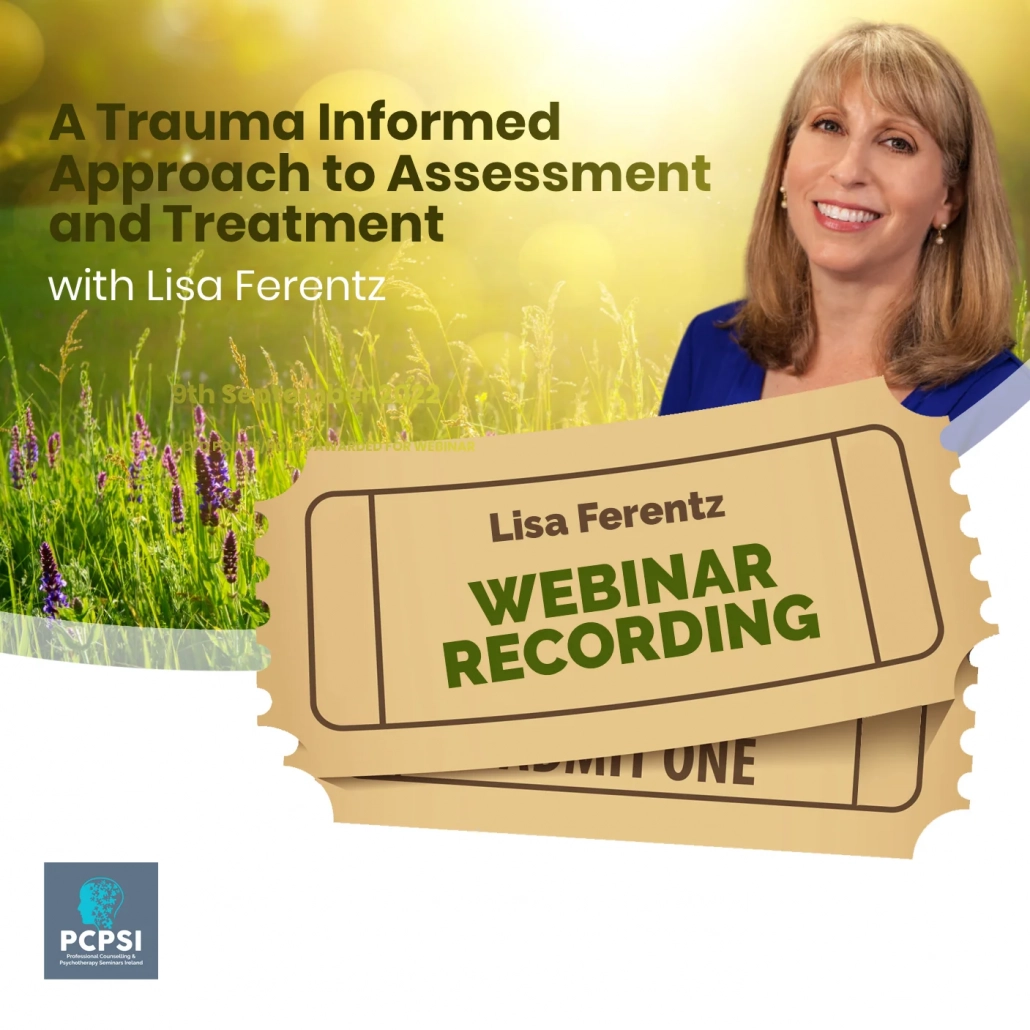
Although many mental health agencies and organizations are legitimately expressing the need for clinicians to be “trauma informed,” the reality is, the definition of that phrase is open to much interpretation. In this workshop we will explore what “trauma informed” really means, and we will address the importance of applying trauma informed concepts in the earliest phases of treatment. This includes doing an intake without doing harm as well as understanding the safest way to gather important historical and family or origin information throughout the fluid assessment phase of treatment. We will weave in the contributions of neuroscience to better understand the impact that trauma has on clients’ emotional, cognitive, behavioural, and somatic presentations. This will also help participants understand the cognitive and emotional conditions that need to be in place in order for clients to answer assessment questions with greater accuracy.
We will explore the necessity of weaving strengths-based questions into the assessment process, what to do when inadvertent triggering occurs, and how to re-ground and resource clients thus increasing the likelihood that they commit to staying in treatment. In addition, we will examine the counter-transferential dynamics that emerge for clinicians during the assessment phase and the impact they can have on successfully establishing a therapeutic alliance. Participants will leave feeling more empowered about how to gather important information in ways that are reparative rather than retraumatizing.
Learning Objectives:
- Identify and implement at least six questions that offer an indirect, safer, and less triggering approach to gathering trauma-based information
- Identify and implement at least four clinical questions designed to focus on clients’ strengths while heightening safety and trust in the therapeutic relationship.
- Describe how to slow down and safely pace the gathering of trauma material when clients don’t have the ability to pace themselves.
- Implement at least four strategies designed to help with containment and decrease affect dysregulation when getting a trauma history.
- Explain why some clients are more reluctant to process deeper trauma through an online format when participating in tele-therapy.
- Describe the process of “rekindling” and how it contributes to clients’ presentations during the assessment phase of treatment.
- Identify at least six symptoms that indicate a client has a prior history of trauma, abuse or neglect.
- Explain the impact that countertransference can have on the assessment phase of treatment.
Course Content Level
Intermediate/Advanced
Target Audience
This course is suitable for counsellors, psychotherapists, psychologists, social workers, family therapists, students and anyone interested in or working in attachment, trauma, addiction or neuroscience.
About the Speaker
Lisa Ferentz, MSW, LCSW-C, DAPA is a recognized expert in the strengths-based, de-pathologized treatment of trauma and has been in private practice for over 38 years. She presents workshops and keynote addresses nationally and internationally, and is a clinical consultant to practitioners and mental health agencies in the United States, Canada, the UK and Ireland. She has been an Adjunct Faculty member at several Universities, and is the Founder of “The Ferentz Institute,” now in its fifteenth year of providing continuing education to mental health professionals and graduating several thousand clinicians from her two Certificate Programs in Advanced Trauma Treatment. In 2009 she was voted the “Social Worker of Year” by the Maryland Society for Clinical Social Work. Lisa is the author of “Treating Self-Destructive Behaviours in Traumatised Clients: A Clinician’s Guide,” now in its second edition, “Letting Go of Self-Destructive Behaviours: A Workbook of Hope and Healing,” and “Finding Your Ruby Slippers: Transformative Life Lessons From the Therapist’s Couch.” Lisa also hosts a weekly radio talk show, writes blogs and articles for websites on trauma, attachment, self-destructive behaviours, and self-care, teaches on many webinars, and is a contributor to Psychologytoday.com.